Artifact overview
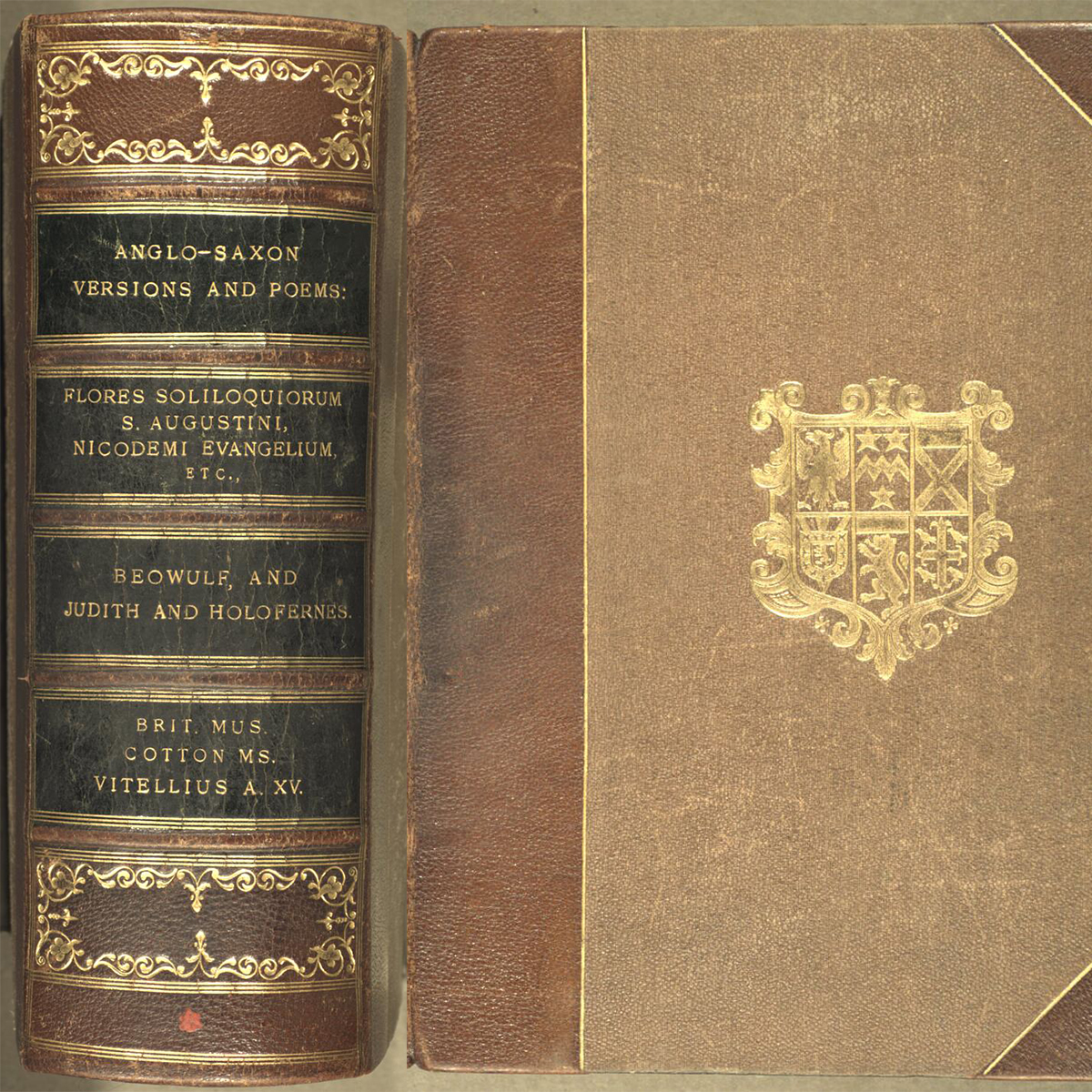
Cotton MS Vitellius A.XV is an artifact (Parchment Manuscript) related to the mythological story named 'Beowulf Epic.' The artifact's condition is Poor and it is currently located at British Library in London, United Kingdom, catalogued as record number Cotton MS Vitellius A.XV. The language of the text contained is Old English (Runic writing system). Its estimated date is 975—1015 CE, which is a range based on available data and scholarship. The mythology associated with this artifact includes the Norse Paganism belief system and related deities: Beowulf and Grendel.

About this artifact
Basic details
| Type | Manuscript Parchment material |
| Condition | Poor |
| Date created | 975—1015 CE |
| Language | Old English |
| Writing system | Runic (script) |
| Location | British Library British Library · London, United Kingdom |
| Digital access | Museum No. Cotton MS.Vitellius.A.XV Fully digitized |
| Myth portion | Folios 132-209 |
Provenience
| Discovery | Unknown |
Museum record data
British Library
British Library · London, United Kingdom

Item specifications
| Museum No. | Cotton MS Vitellius A.XV |
Mythological contents
Norse Paganism Religion
The contents of this artifact may depict or reference the following myths and deities associated with this belief system.

Associated myths and deities
| Myths | Beowulf Epic |
| Deities | Beowulf, Grendel |
The Nowell Codex contains the Beowulf prestige myth. It is the second part of the Cotton MS Vitellius A.xv volume. The condition is poor because the edges of the cotton manuscript were burned during a fire in 1731. This codex dates back to roughly 1000 C.E.
Extended artifact data for Cotton MS Vitellius A.XV
See detailed information about this artifact from the entity that has access to it.
Location description
- British Library London, United Kingdom
Full address: British Library, 96 Euston Rd, London, London, NW1 2DB, United Kingdom
We are the national library of the United Kingdom and give access to the world’s most comprehensive research collection. We provide information services to academic, business, research and scientific communities. Our collection of over 170 million items includes artefacts from every age of written civilisation. We keep the nation’s archive of printed and digital publications, adding around three million new items to our collection every year. We have many books, but we have so much more. Our London and Yorkshire sites have everything from newspapers to sound recordings, patents, prints and drawings, maps and manuscripts. Our inspiring exhibitions interpret these collections and bring their stories to the public.
Learn more
Record numbers
| No. | Cotton MS Vitellius A XV |
| Digitized record | Museum No. Cotton MS.Vitellius.A.XV |
| Artifact access | Unknown |
Full artifact data
| Museum No. | Cotton MS Vitellius A XV |
| Folios | 94r–209v |
| Materials | parchment and ink |
| Condition | leaves damaged by fire in 1731. |
| Binding | British Museum 1845. |
| Notes |
|
Record notes
About these data
| Retrieval date | Jul. 1, 2020 |
| Copyright | British Library |
Render
See a rendering of the artifact in images, text, and other form factors. Where available, a translation is included.
Digital scan
OMNIKA Reader
Good news. This original artifact is digitized and available in the OMNIKA Library.
All texts
| Title |
|
|---|---|
| "Beowulf": Old English Transcript of Nowell Codex |
|
Mythological contents
This artifact contains mythological contents associated with Norse Paganism Religion. The main narrative mentioned may be Beowulf Epic, a Prestige myth. The deities depicted or mentioned in the artifact may be: Beowulf and Grendel.
Parent belief system
- Norse Paganism Religion · Polytheistic
Norse Paganism refers to the beliefs and traditions of people from Scandinavia: Iceland, Norway, Sweden, and Denmark.
Learn more
Associated myth
 Beowulf Epic Prestige myth
Nuthsell
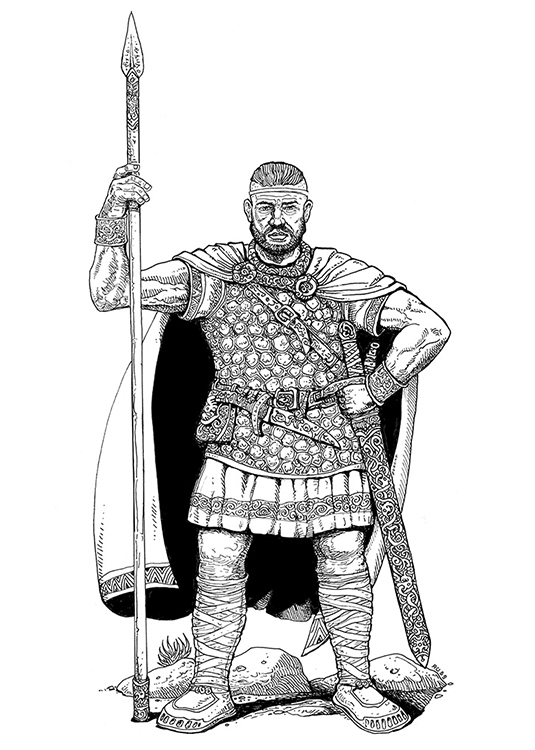
Beowulf, the hero, helps the Danes by killing the man-eating monster named Grendel, and his mother. Afterwards, Beowulf returns home and becomes the king of the Geats, ruling until his heroic death over fifty years later. In his final battle, he slays a dragon. The poem ends by honoring the greatness of Beowulf.
Read more
Deities depicted

Artifact condition
The artifact named 'Cotton MS Vitellius A.XV' is appraised as being in Poor condition based on how much reliance is placed on other resources to make it complete and readable.
| Condition | Excellent | Just OK | Poor |
|---|---|---|---|
 |  |  | |
| Completeness | More than 80% | 50 - 80% | Less than 50% |
| Fragmentation | Minor | Moderate | Significant |
| Damage | Minor | Moderate | Significant |
| Legibility | Highly readable | Somewhat readable | Unintelligible |
What's a 'joined' artifact?
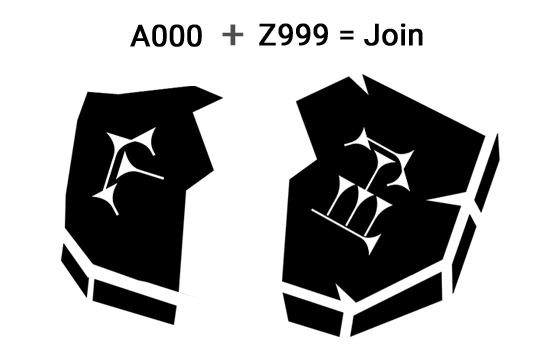
A joined artifact is one that was originally part of the other and was broken or fragmented at some point in time. Joins are common among clay tablets because they may get broken during discovery and transportation. The join is notated with the + sign. For example, if tablets A000 and Z999 are joined, we would express this relationship by grouping them as A000 + Z999 to indicate they are related.
If the fragments are owned, maintained, and cataloged by separate museums then classifying the join relationship is critical for accurate translations.
Cite this page
OMNIKA Foundation Contributors. "Cotton MS Vitellius A.XV (Nowell Codex)." OMNIKA – World Mythology Index, OMNIKA Foundation, 07 Aug. 2019, omnika.org/stable/241. Accessed 15 Dec. 2025.
OMNIKA (2019, August 07). Cotton MS Vitellius A.XV (Nowell Codex). Retrieved from https://omnika.org/stable/241
OMNIKA Foundation Contributors. "Cotton MS Vitellius A.XV (Nowell Codex)." Las Vegas, NV: OMNIKA Foundation. Created August 07, 2019. Accessed December 15, 2025. https://omnika.org/stable/241.