Artifact overview
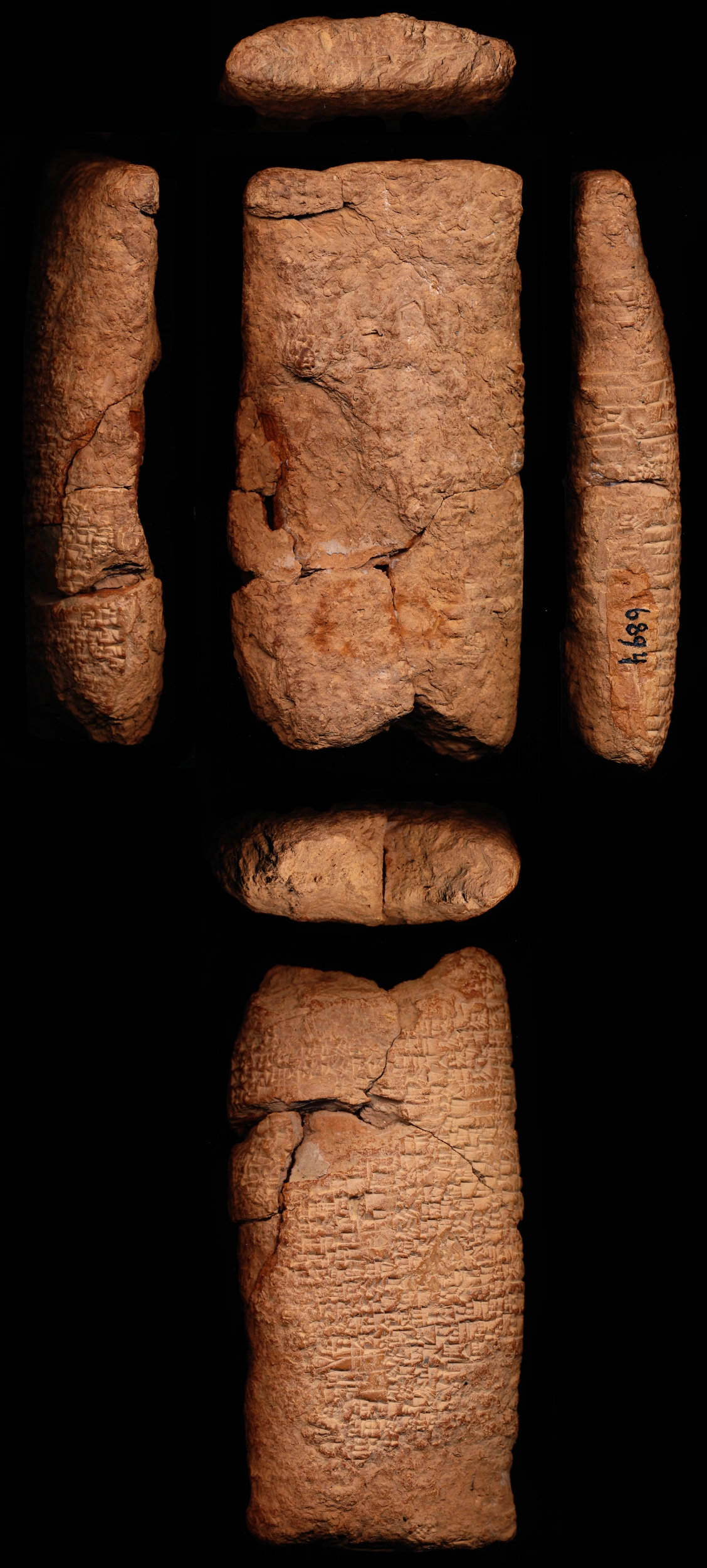
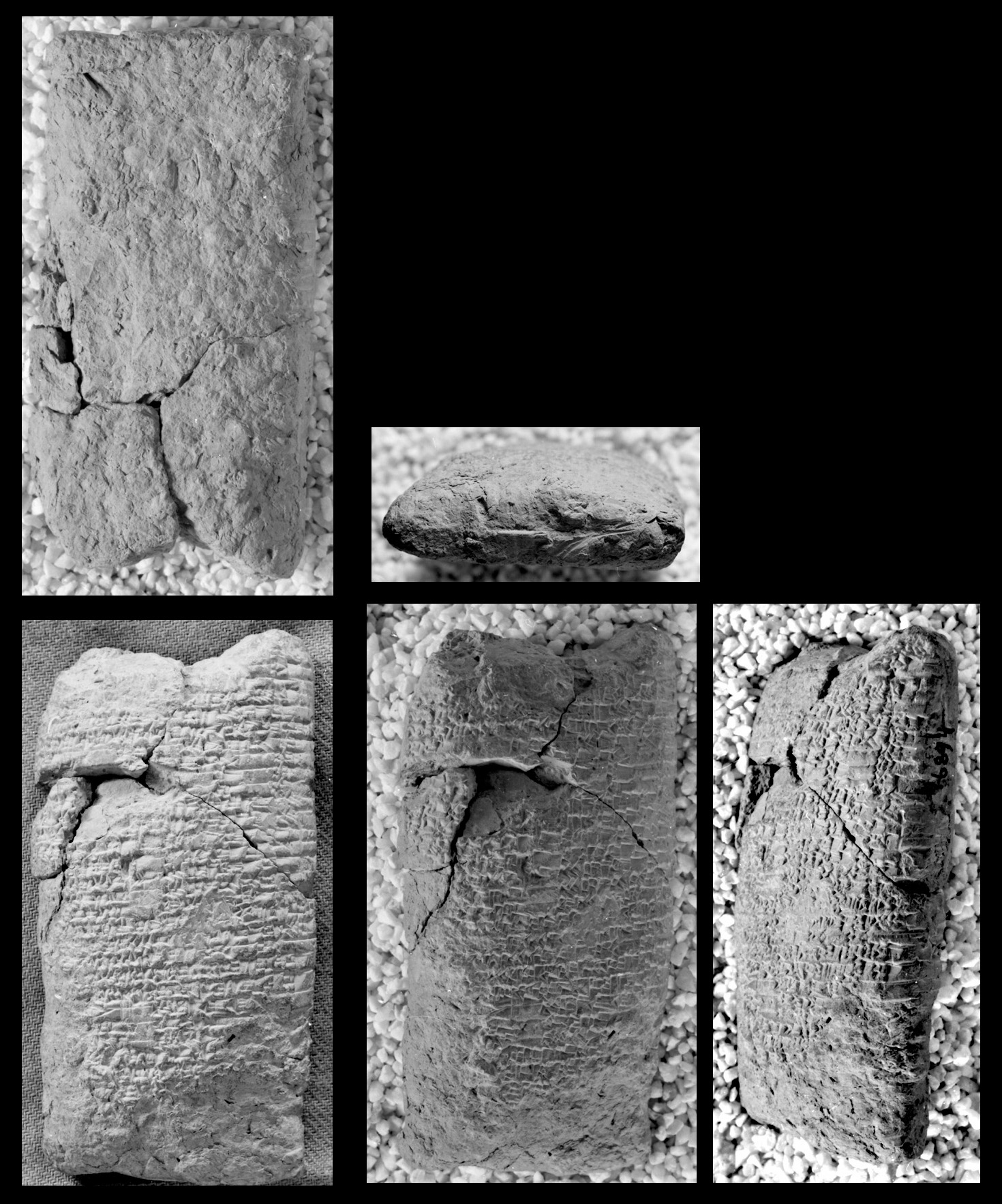
CBS 6894 is an artifact (Clay Tablet) related to the mythological story named 'Inanna's Descent to the Netherworld.' The artifact's condition is Poor and it is currently located at University of Pennsylvania Museum of Archaeology and Anthropology in Philadelphia, United States of America, catalogued as record number CBS 6894. The language of the text contained is Sumerian (Sumero-Akkadian Cuneiform writing system). Its estimated date is 1900—1600 BCE, which is a range based on available data and scholarship. The mythology associated with this artifact includes the Sumerian belief system and related deities: Inanna.
About this artifact
Basic details
| Type | Tablet Clay material |
| Condition | Poor |
| Date created | 1900—1600 BCE |
| Language | Sumerian |
| Writing system | Sumero-Akkadian Cuneiform (script) |
| Location | Penn Museum University of Pennsylvania Museum of Archaeology and Anthropology · Philadelphia, United States of America |
| Digital access | CDLI No. P264321 Partially digitized |
| Myth portion | Lines 380-412 |
Provenience
| Discovery | Nippur, Sumer Present-day Al-Qādisiyyah, Iraq |
Museum record data
Penn Museum
University of Pennsylvania Museum of Archaeology and Anthropology · Philadelphia, United States of America

Item specifications
| Museum No. | CBS 6894 |
Mythological contents
Sumerian Religion
The contents of this artifact may depict or reference the following myths and deities associated with this belief system.

Associated myths and deities
| Myths | Inanna's Descent to the Netherworld |
| Deities | Inanna |
Cuneiform Digitial Library Initiative data help_outline
Core CDLI data
| CDLI record No. | P264321 |
| Composite No. | Q000343 |
| Period | |
| Provenience (origin) | Nippur, Iraq |
| Primary publication | CDLI Literary 000343, ex. 001 |
| Author/date | CDLI/214ff. |
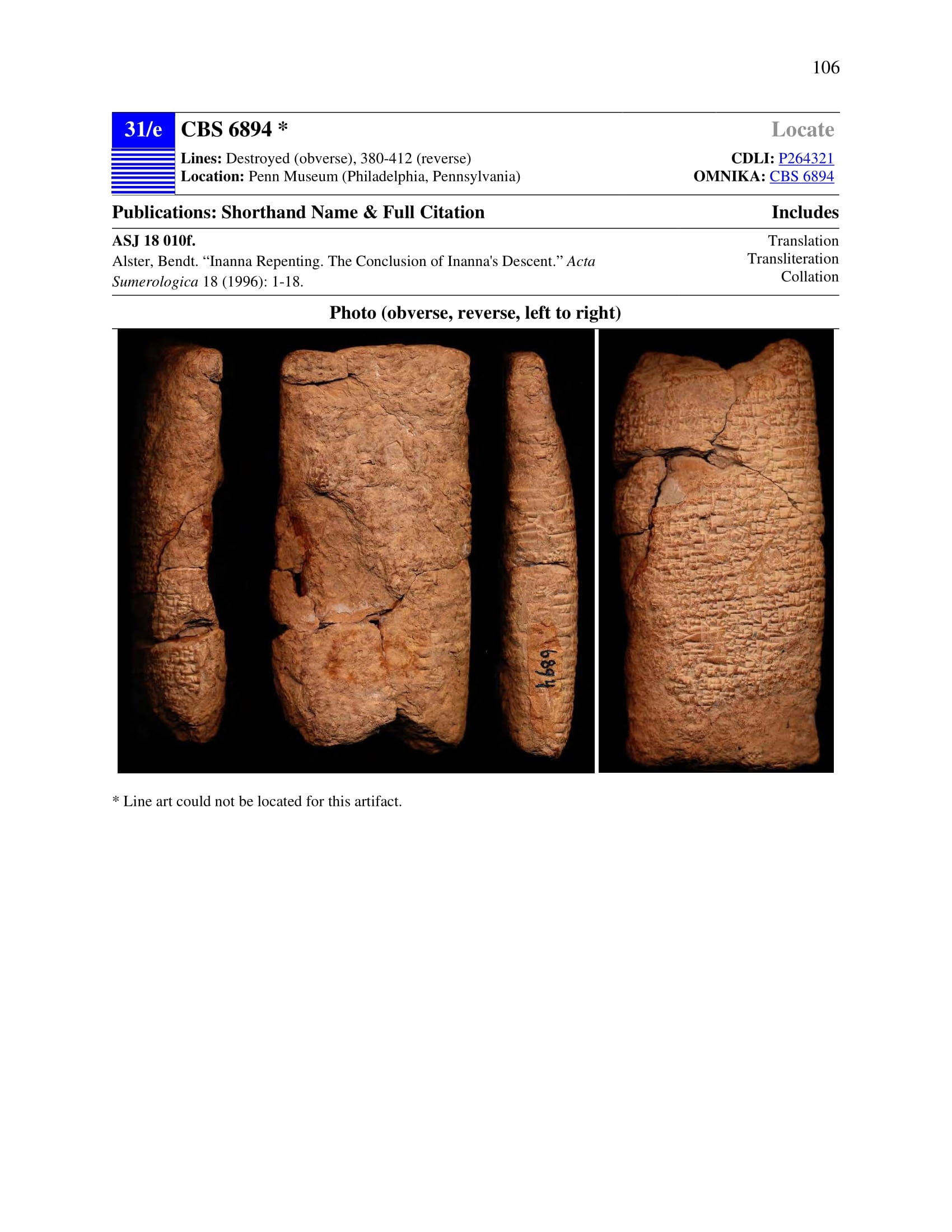
CBS 6894 is a clay cuneiform tablet that contains lines 380-412 (reverse side) of "Inanna's Descent to the Netherworld," a Sumerian afterlife myth. This artifact was an important tablet for the decipherment of "Inanna's Descent" because it contained fairly usable lines for the ending of the story. The rectangular tablet is in fairly poor condition and was first published by Bendt Alster in a 1996 issue of the Acta Sumerologica journal. This publication only contained translation, transliteration, and commentary.
The artifact is currently locatd at the Penn Museum in Philadelphia. The obverse side is mutilated.
The full decipherment of "Inanna's Descent" required many clay tablets. Unfortunately, only a few of them contained the crucial ending lines. Bendt Alster published a 1996 journal article that compared the ending of "Inanna's Descent" for all of the available tablets.[1] Alster essentially reconciled the available resources to come up with the best conclusion possible.
Notes
Extended artifact data for CBS 6894
See detailed information about this artifact from the entity that has access to it.
Location description
-
Penn Museum Philadelphia, United States of America
Full address: Penn Museum, 3260 South St., Philadelphia, PA, 19104, United States of America
Open to all, the Museum is home to remarkable objects and powerful stories that emerge from its excavations and research across the world. Connect with the cultures of Africa, Asia, the Americas, and the Mediterranean, from the very first cities of the Middle East to the pharaohs of ancient Egypt; from early Mexico to the lives of Native American communities today. Experience the richness of the ancient past, gain an understanding of our shared humanity, and find your own place in the arc of human history.
Archaeology and Anthropology
The Penn Museum is the University of Pennsylvania Museum of Archaeology and Anthropology.
Archaeology is the study of objects made by humans. From the first traces of our earliest human ancestors to 21st...
Learn more
Record numbers
| No. | Unknown |
| Digitized record | CDLI No. P264321 |
| Artifact access | Other |
Full artifact data
| Museum No. | CBS 06894 |
| Period | Old Babylonian (ca. 1900-1600 BC) |
| Material | Clay |
| Genre | Literary |
| Usable Lines | ca. 28 |
| Language | Sumerian Cuneiform |
| Provenience (Origin) | Nippur, Iraq |
Record notes
About these data
| Retrieval date | Aug. 9, 2022 |
| Copyright | Penn Museum |
Render
See a rendering of the artifact in images, text, and other form factors. Where available, a translation is included.
Digital scan
OMNIKA Reader
Good news. This original artifact is digitized and available in the OMNIKA Library.
Partial Transliteration, Collation (full)
Sumerian ⟶ English a
| Source a Alster, "Inanna's Descent / Ending," 13–14. More info launch |
All texts
| Title |
|
|---|---|
| "Inanna's Descent / Ending": English Translation by Bendt Alster |
|
Mythological contents
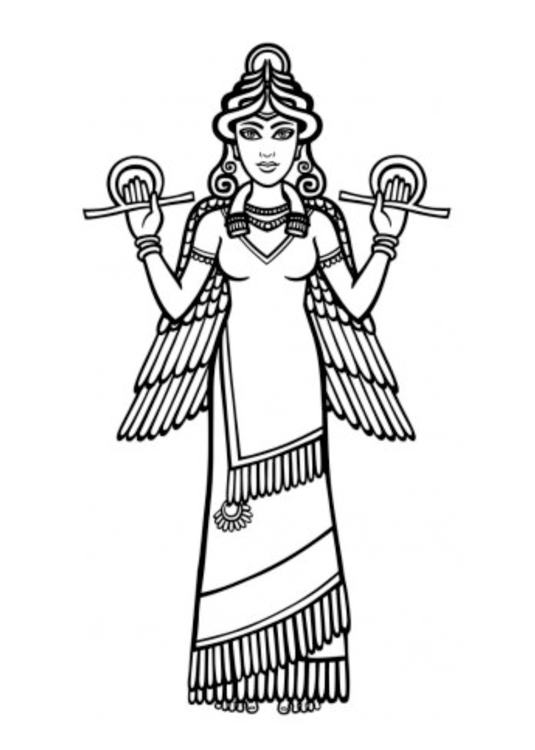
This artifact contains mythological contents associated with Sumerian Religion. The main narrative mentioned may be Inanna's Descent to the Netherworld, a Afterlife myth. The deities depicted or mentioned in the artifact may be: Inanna.
Parent belief system
-
Sumerian Religion · PolytheisticHeads up. This Religion belongs to the Mesopotamian collection on the basis of shared myths and deities.
Sumerian religion refers to spiritual beliefs practiced from ca. 4500-1900 BCE in Mesopotamia, or modern-day southern Iraq. Many deities were diffused into other Mesopotamian cultures.
Learn more
Associated myth
-
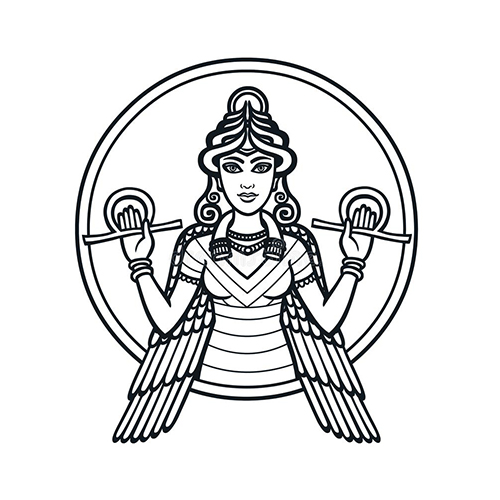 Inanna's Descent to the Netherworld Afterlife myth
Nuthsell
Inanna descends from the great above to the great below. She abandons several temples and heads for open country. She gives precise instructions to her companion—Ninsubur: Inanna says "if I don't return in three days, go to the temples and plead on my behalf." At the netherworld she enters and goes through seven gates before she is turned into a corpse. Ninsubur follows the instructions and tells Inanna's father Enkil what happened. He helps her by sending two a-sexual creatures to sneak in and bring her back to life. Once Inanna is alive she ascends while being escorted by demons from the netherworld. The demons allow her to trade her husband Dumuzi in her place.
Read more
Deities depicted
CDLI data for P264321
The artifact named CBS 6894 is listed in the CDLI database as record number P264321. It belongs to composite number Q000343 .
About the CDLI
-
 Cuneiform Digital Library Initiative Est. 1998The Cuneiform Digitial Library Initiative (CDLI) is a collaborative project among the University of California, Los Angeles (UCLA), the University of Oxford, and the Max Planck Institute for the History of Science (Berlin, Germany). The project is funded by various universities and donors in the hopes of cataloging, translating, and digitizing artifacts with text in cuneiform script.
Record numbers
Record notes
About these data
| Retrieval date | Aug. 9, 2022 |
| Copyright | CDLI @ UCLA |
Artifact condition
The artifact named 'CBS 6894' is appraised as being in Poor condition based on how much reliance is placed on other resources to make it complete and readable.
| Condition | Excellent | Just OK | Poor |
|---|---|---|---|

|

|

|
|
| Completeness | More than 80% | 50 - 80% | Less than 50% |
| Fragmentation | Minor | Moderate | Significant |
| Damage | Minor | Moderate | Significant |
| Legibility | Highly readable | Somewhat readable | Unintelligible |
What's a 'joined' artifact?
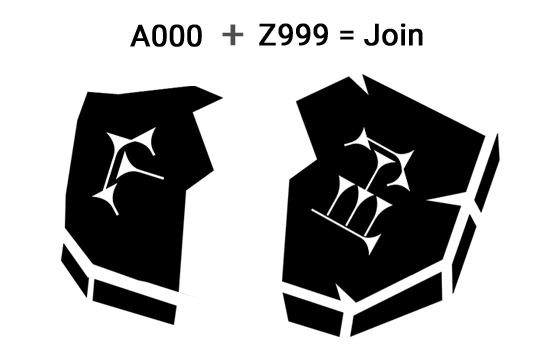
A joined artifact is one that was originally part of the other and was broken or fragmented at some point in time. Joins are common among clay tablets because they may get broken during discovery and transportation. The join is notated with the + sign. For example, if tablets A000 and Z999 are joined, we would express this relationship by grouping them as A000 + Z999 to indicate they are related.
If the fragments are owned, maintained, and cataloged by separate museums then classifying the join relationship is critical for accurate translations.
Cite this page
OMNIKA Foundation Contributors. "CBS 6894 / Inanna's Descent." OMNIKA – World Mythology Index, OMNIKA Foundation, 20 Jun. 2019, omnika.org/stable/199. Accessed 9 Jul. 2026.
OMNIKA (2019, June 20). CBS 6894 / Inanna's Descent. Retrieved from https://omnika.org/stable/199
OMNIKA Foundation Contributors. "CBS 6894 / Inanna's Descent." Las Vegas, NV: OMNIKA Foundation. Created June 20, 2019. Accessed July 9, 2026. https://omnika.org/stable/199.